
Suicide Prevention
In El Paso County, suicide deaths increased by 74% between 2020 and 2022. Contributing factors often include mental and behavioral disorders, emotional distress, and external pressures. Prevention starts with awareness, and encouraging early intervention can save lives. Education and support at the community level play an essential role in reducing suicide risk and connecting people to the help they need.
Know the warning signs:
- Talking about death, feeling hopeless or being a burden
- Withdrawing from friends and family
- Displaying mood swings or risky behavior
- Giving away possessions or saying goodbye
- Searching for methods or expressing guilt/shame
Five steps to help someone in emotional pain:
- ASK: “Are you thinking about suicide?”
- KEEP THEM SAFE: Remove access to harmful items
- BE THERE: Listen and offer support
- HELP THEM CONNECT: Encourage professional or peer help
- STAY CONNECTED: Follow up regularly
Resources
988 Suicide & Crisis Lifeline – Call/Text 988 or chat at 988lifeline.org
Emergence Health Network: 915-779-1800
NAMI El Paso: 915-778-5726

Tobacco & Nicotine Prevention
Tobacco and nicotine use, including cigarettes, e-cigarettes, and smokeless tobacco, are leading causes of preventable death and disease. Smoking is linked to cancer, heart disease, respiratory illnesses, and premature death. Despite these risks, many individuals, especially youth, begin using tobacco products early in life. Prevention and cessation programs help reduce tobacco use through education, support, and access to treatment. The goal is not only to help people quit but to prevent new users from starting and to promote smoke-free environments in our community.
To avoid tobacco/nicotine use:
- Avoid environments or people where tobacco use is common
- Build new healthy habits that support a tobacco-free lifestyle
To quit tobacco/nicotine use:
- Choose a quit date and prepare for triggers
- Talk with healthcare professionals or call a quitline
- Replace old habits with healthier coping strategies
- Don’t be discouraged by setbacks, relapse is part of the journey
Resources
1-800-QUIT-NOW (1-800-784-8669)
1-855-DÉJELO-YA (Español)
SmokeFreePDN.org
Emergency Preparedness
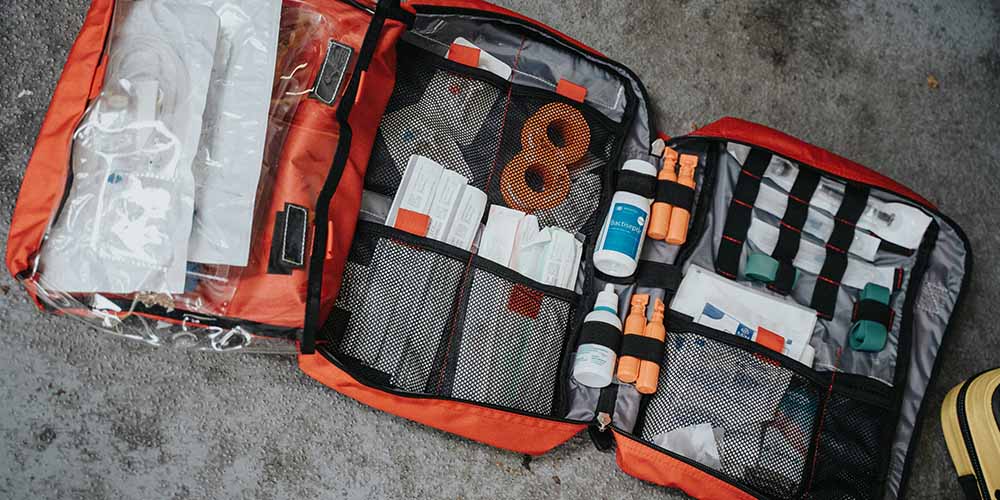
Being prepared for emergencies—like natural disasters, pandemics, or extended power outages—can make a critical difference. Emergency preparedness means creating a plan, gathering essential supplies, and staying informed. For individuals with disabilities or medical needs, planning should include backup power sources, assistive devices, medications, and support contacts. Preparedness strengthens community resilience and ensures that families are better able to respond and recover during a crisis.
Tips for emergency planning:
- Build a supply kit with food, water, medications, and batteries
- Sign up for emergency alerts
- Make a contact and evacuation plan
- Include pets, service animals, or assistive technologies in your plan
- Practice your plan and update it yearly
Resources
City of El Paso Emergency Preparedness: 915-212-6624
Ready.gov - People with Disabilities
State of Texas Emergency Assistance Registry (STEAR)

Heart Attack & Stroke Awareness
Heart attacks and strokes are life-threatening emergencies that result from reduced or blocked blood flow to the heart or brain. Together, they account for more deaths in the U.S. than all cancers combined. In 2021, stroke occurred every 3 minutes and 14 seconds on average. High blood pressure, smoking, and poor lifestyle choices are major risk factors. Prevention includes adopting healthy habits, knowing the signs, and seeking immediate care when symptoms arise. Early recognition can significantly reduce long-term damage or save a life.
Heart attack symptoms: Chest discomfort or pressure, Shortness of breath, Nausea, cold sweats, or lightheadedness.
Stroke symptoms (use FAST): Face drooping, Arm weakness, Speech difficulty, Time to call 911
Prevention tips:
- Eat a balanced, heart-healthy diet
- Get regular exercise
- Avoid smoking and limit alcohol
- Manage stress and monitor blood pressure
Resources
Call 911 in an emergency
American Heart Association
The Hospitals of Providence: (866) 934-3627

Stop the Bleed
Uncontrolled bleeding is a leading cause of preventable death from trauma. The average person can bleed out in just minutes, faster than emergency responders can often arrive. "Stop the Bleed" is a national initiative to teach bystanders how to take immediate, life-saving action when someone is experiencing severe bleeding. With basic training, anyone can learn how to apply pressure, pack a wound, or use a tourniquet, potentially saving lives in emergencies such as car crashes, accidents, or acts of violence.
Steps to respond to life-threatening bleeding:
- Call 911
- Apply firm pressure to the wound
- Pack the wound if necessary and continue pressure
- Use a tourniquet if bleeding cannot be controlled
Resources
StopTheBleed.org
EPFD – Community Risk Reduction
BorderRAC

Opioid Overdose Prevention
Opioid overdoses caused by substances like fentanyl, heroin, and prescription painkillers are a growing crisis in El Paso. These drugs can cause respiratory failure, unconsciousness, and death, often within minutes. Overdoses can happen to anyone, including those with valid prescriptions. Fortunately, overdose deaths can be reversed with Naloxone (Narcan), which restores breathing when administered promptly. Community education, access to Narcan, and proper response training are vital to reducing opioid-related deaths.
Signs of overdose:
- Slow, shallow, or no breathing
- Gurgling, snoring, or gasping sounds
- Blue or gray lips or fingernails
- Unresponsiveness
How to respond:
- Call 911 immediately
- Try to wake the person and start rescue breathing
- Use Naloxone if available
- Stay until help arrives
Resources
Aliviane Opioid Treatment Clinic: 915-782-4000
CDC Overdose Prevention

Indoor & Outdoor Recreation
Access to recreation, both indoor and outdoor, is key to promoting physical activity, mental well-being, and a sense of community. Recreation centers offer gyms, pools, and group activities, while trails and parks support walking, biking, and other outdoor fitness. A safe and welcoming environment encourages residents of all ages to be active, socialize, and reduce chronic disease risk. Safety and accessibility are top priorities to ensure everyone can enjoy these resources.
Trail safety tips:
- Walk with a buddy
- Wear light or reflective clothing at night
- Carry a phone and stay aware of your surroundings
Recreation center safety tips:
- Use appropriate safety gear (helmets, pads, etc.)
- Warm up and follow activity rules
- Stay hydrated and know your limits
Resources
Live Active El Paso
El Paso Parks & Recreation
Move El Paso